
TPLO vs. Other CCL Surgery Options: Why a Board-Certified Veterinary Surgeon Matters
TPLO (tibial plateau leveling osteotomy) is widely considered the gold standard for treating cranial cruciate ligament tears in dogs — particularly medium, large, and athletic dogs — because it stabilizes the knee by changing its mechanics rather than trying to replace a ligament that’s gone. The main alternatives are the lateral suture technique, generally reserved for smaller dogs, and TTA, a related bone-cutting procedure. And because TPLO involves precisely cutting and rotating bone, who performs it matters as much as which procedure you choose.
If your dog has just been diagnosed with a CCL tear, you’re probably drowning in acronyms. Here’s the plain-English version of your options.

What Is TPLO Surgery and How Does It Work?
TPLO stabilizes the knee without the ligament, which is the clever part. In a dog’s knee, the top of the tibia (the tibial plateau) is naturally sloped, so every time the dog bears weight, the femur wants to slide down that slope — the CCL’s job was to stop it. TPLO cuts the top of the tibia, rotates it to level the slope, and secures it with a bone plate and screws. Once the slope is level, the sliding force is neutralized and the knee is stable during weight-bearing with no ligament required. The surgeon also inspects the meniscus — the knee’s cartilage cushion, which is frequently damaged alongside a CCL tear — and treats it during the same procedure. It’s a permanent, mechanical solution to a problem that can’t be fixed by stitching a frayed ligament back together.
What Are the Alternatives to TPLO for a Torn CCL?
The lateral suture (extracapsular) technique places a strong suture outside the joint to mimic the ligament’s function while scar tissue stabilizes the knee; it’s less invasive and less expensive, and it can serve smaller, lighter, less active dogs well — but the suture can stretch or fail under the forces a big dog generates, which is why it’s generally not the first choice for larger patients. TTA (tibial tuberosity advancement) is another osteotomy-based procedure that alters knee mechanics through a different geometric approach. Conservative management — rest, anti-inflammatories, weight control, and rehabilitation — exists as an option for dogs who can’t undergo anesthesia or for select small dogs, but it manages symptoms rather than restoring stability, and the arthritis clock keeps ticking. Your surgeon’s job is to match the technique to the dog in front of them; for most medium and large dogs, that match is TPLO.
Why Is TPLO Considered the Gold Standard for Most Dogs?
Track record. TPLO has decades of use and study behind it, with good to excellent outcomes reported in the large majority of dogs — including a return to athletic function that other techniques struggle to match in bigger patients. Dogs typically begin using the leg impressively soon after surgery, and because the fix is mechanical rather than dependent on a suture holding, it stands up to the forces generated by a 90-pound dog at a full run. No procedure erases arthritis that’s already present, but a stable knee slows its progression dramatically — which is the real long game.
Why Does It Matter That a Board-Certified Surgeon Performs the TPLO?
Because TPLO is precision bone surgery. The tibia is cut with a curved saw, rotated by an amount calculated from your dog’s own pre-surgical X-ray measurements, and plated so it heals in exactly the intended position — the outcome depends on getting the geometry right, the implants placed correctly, and complications managed by someone who has done this at volume. A board-certified veterinary surgeon (a Diplomate of the American College of Veterinary Surgeons) has completed years of residency training beyond veterinary school and passed rigorous specialty board examinations. That credential exists precisely for procedures like this one. It’s the difference between a surgery that’s offered and a surgery that’s mastered.
Why Does TPLO Cost More Than Other CCL Repairs?
Because you’re paying for a bone surgery, not a suture — and everything that safe bone surgery requires: advanced imaging and surgical planning, surgical-grade bone plates and screws, a fully equipped operating suite, anesthesia with dedicated monitoring, and the expertise of a board-certified surgeon. Viewed over your dog’s lifetime, the comparison shifts: a procedure with a strong long-term success rate often proves more economical than a cheaper repair that fails and needs revision, or years of managing an unstable, arthritic knee with medication. When it’s your dog’s mobility for the next decade, durable is the bargain.
Board-Certified TPLO Surgery, Right Here in Wilton, NY
Most practices refer TPLO cases out — which means a long drive, an unfamiliar hospital, and a care team who met your dog that morning. Saratoga Veterinary Hospital offers another way: TPLO performed by a board-certified veterinary surgeon within the same AAHA-accredited, independently owned hospital your family already knows, with your dog’s complete history in hand and follow-up care minutes from home. We’ve served Wilton, Saratoga Springs, and the surrounding communities for more than 50 years, and we’d be glad to walk you through whether TPLO is right for your dog. Call (518) 587-3832 or visit saratogavethosp.com to schedule a surgical consultation.
Learn More About Cruciate Ligament Care
Looking to dive deeper? These articles provided by LifeLearn more detailed information about cruciate ligament injuries, the different surgical techniques available, and how each procedure can help restore your dog’s mobility and quality of life.
Recent Posts
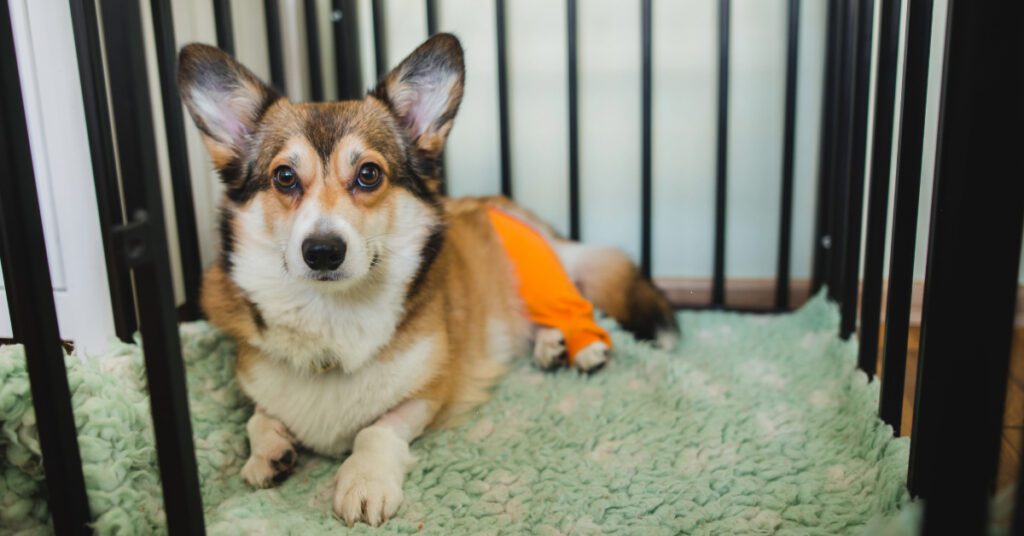
TPLO Recovery Timeline: A Week-by-Week Guide to Getting Your Dog Back on All Fours
TPLO Recovery Timeline: A Week-by-Week Guide to Getting Your Dog Back on All Fours Most dogs recovering…
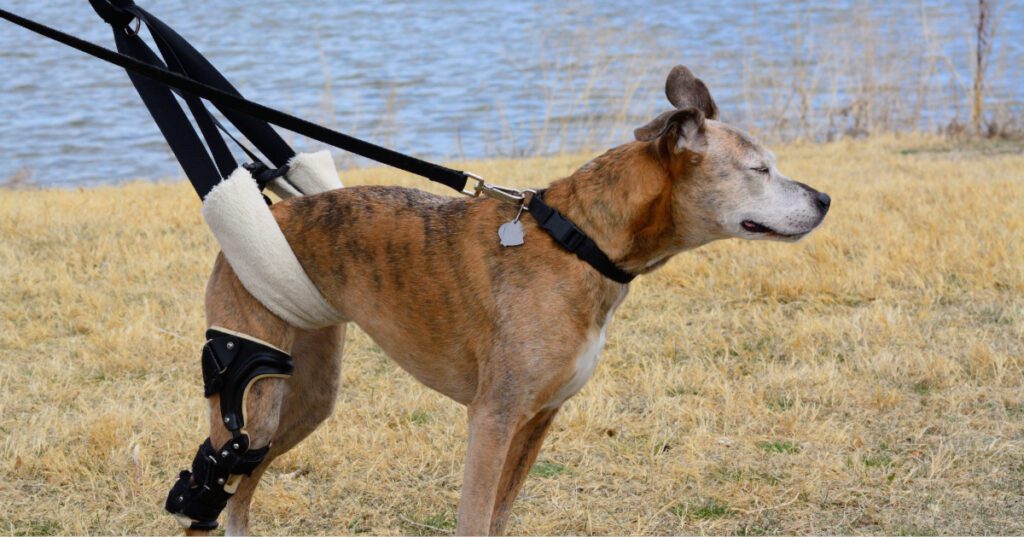
Does My Dog Need TPLO Surgery? How to Recognize a Torn CCL
Does My Dog Need TPLO Surgery? How to Recognize a Torn CCL If your dog suddenly starts…

Retained Baby Teeth Removal During Spay/Neuter: Protecting Your Pet’s Oral Health
Retained Baby Teeth Removal During Spay/Neuter: Protecting Your Pet’s Oral Health Many Saratoga Springs pet owners dedicate…

Pet Dental Care: The Key to a Longer, Healthier Life
Pet Dental Care: The Key to a Longer, Healthier Life Pet dental care is one of the…

Dog Throwing Up Yellow: A Guide for Pet Owners
Dog Throwing Up Yellow: A Guide for Pet Owners If your dog is throwing up yellow foam…
About Saratoga Veterinary Hospital
Saratoga Veterinary Hospital is proud to serve as your local veterinarian of choice in WIlton, NY and the surrounding areas. Since its founding in 1973 by Dr. Sofarelli, our animal hospital’s main goal has been to strengthen the human-animal bond with exceptional veterinary medicine and client services.