
TPLO Recovery Timeline: A Week-by-Week Guide to Getting Your Dog Back on All Fours
Most dogs recovering from TPLO surgery follow a predictable arc: strict rest for the first two weeks while the incision heals, gradually longer leash walks through about week eight, recheck X-rays to confirm the bone has healed, then a progressive return to normal activity — with most dogs back to full function within about four to six months. Many dogs start putting some weight on the leg within the first days after surgery, which routinely astonishes their owners.
The single most important thing to understand about TPLO recovery is this: your dog will feel better long before the bone is actually healed. Managing that gap — a dog who feels ready to run attached to a knee that isn’t — is the whole job. Here’s the roadmap.
What Are the First Two Weeks After TPLO Surgery Like?
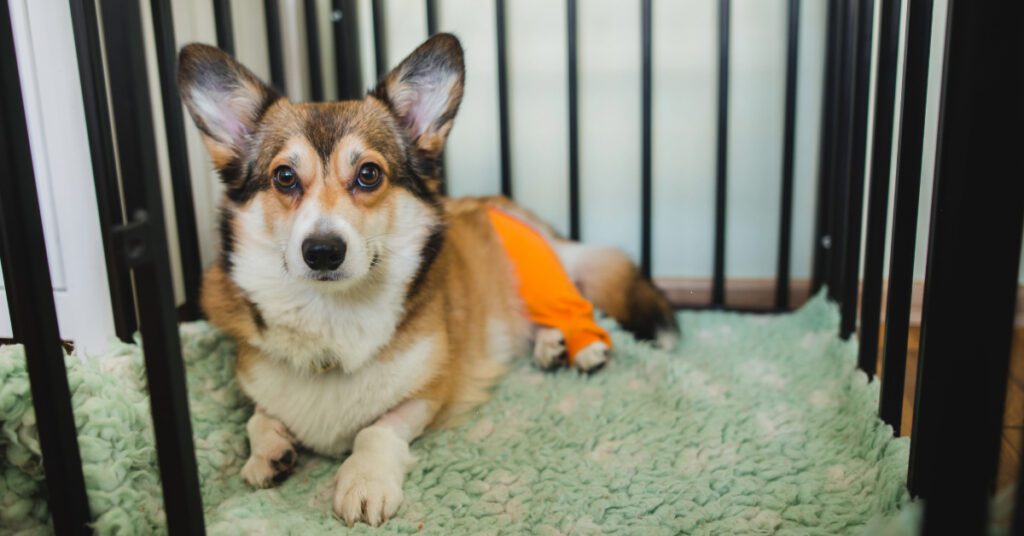
The first two weeks are about incision healing and strict confinement. Your dog should be restricted to a crate, exercise pen, or small room with good footing, going outside on a short leash only for bathroom breaks — no stairs, no furniture, no playing with other pets. The e-collar stays on to protect the incision from licking, and you’ll check the incision daily. Expect some grogginess the first night and give all medications exactly as prescribed; staying ahead of discomfort beats chasing it. Many dogs are toe-touching or partially weight-bearing within days. That’s the bone plate doing its job — it is not a hall pass. Around 10 to 14 days, your veterinary team rechecks the incision and removes any staples or sutures.
When Can My Dog Start Walking After TPLO? (Weeks 3–8)
Structured leash walking typically begins after the incision has healed and builds gradually from there — short, slow, controlled walks that lengthen week by week according to the plan your surgeon lays out. Controlled is the operative word: leash walks are healing exercise; fetch is not. Through this entire stretch there’s still no running, jumping, roughhousing, or off-leash time, because the bone is still knitting beneath that plate. Around the eight-week mark, follow-up X-rays check the healing. This is the phase where most complications are born — a dog who feels great, an owner who relaxes, one squirrel — so hold the line even when your dog lobbies hard against it.
When Can My Dog Run and Play Again After TPLO?
After X-rays confirm the bone has healed — typically around the eight-week recheck — activity ramps up progressively, and most dogs return to full, unrestricted activity somewhere in the four-to-six-month range, on a schedule set by the surgeon based on those images. The return is gradual by design: longer walks first, then controlled jogging, then finally the off-leash zoomies your dog has been saving up. Rushing the last mile of a recovery this successful is how good outcomes get spoiled, so let the X-rays, not the calendar or the wagging tail, make the call.
How Can I Help My Dog Recover Faster from TPLO Surgery?
Three things move the needle most: follow the activity restrictions exactly, keep your dog lean, and do the rehabilitation your surgical team recommends. Weight is the quiet one — every extra pound loads the healing knee and the opposite leg with every step, and recovery is an excellent time to trim portions since activity is reduced anyway. Simple home measures help too: rugs or traction mats on slippery floors, blocking access to stairs and furniture, and food-puzzle toys to occupy a bored brain, because a mentally tired dog is far easier to keep physically quiet. If your team prescribes rehabilitation exercises, treat them like medication — they’re part of the treatment, not a suggestion.
What Are the Warning Signs of a Problem After TPLO?
Call your veterinary team if you see increasing redness, swelling, or discharge at the incision; if the incision opens; if your dog suddenly stops using the leg after a stretch of steady improvement; or if there’s a loss of appetite, lethargy beyond the first couple of days, or an unexplained fever. A dog who was improving and then abruptly isn’t warrants a call the same day — not a wait-and-see weekend. And for anything that simply seems off, call anyway. Recovery questions are never a bother, and early phone calls prevent late problems.
TPLO Surgery and Recovery Support at Saratoga Veterinary Hospital in Wilton, NY
A great TPLO outcome is built twice — once on the surgery table, and once over the weeks that follow. At Saratoga Veterinary Hospital, both happen in one place: the procedure performed by a board-certified veterinary surgeon, and every recheck, X-ray, suture removal, and “is this normal?” phone call handled by the same AAHA-accredited, family-owned team, minutes from home instead of a referral center an hour away. Families in Wilton, Saratoga Springs, and across Saratoga County have trusted us for over 50 years, and we’d be honored to get your dog back to the trails, the lake, and the zoomies. Call (518) 587-3832 or visit saratogavethosp.com to schedule a consultation.
Learn More About Cruciate Ligament Care
Looking to dive deeper? These articles provided by LifeLearn more detailed information about cruciate ligament injuries, the different surgical techniques available, and how each procedure can help restore your dog’s mobility and quality of life.
Recent Posts
TPLO vs. Other CCL Surgery Options: Why a Board-Certified Veterinary Surgeon Matters
TPLO vs. Other CCL Surgery Options: Why a Board-Certified Veterinary Surgeon Matters TPLO (tibial plateau leveling osteotomy)…
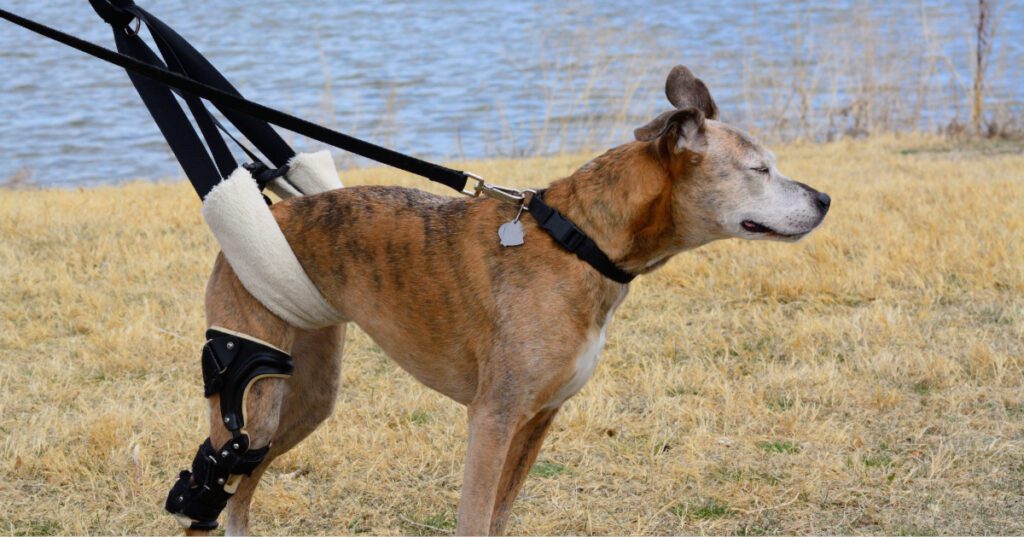
Does My Dog Need TPLO Surgery? How to Recognize a Torn CCL
Does My Dog Need TPLO Surgery? How to Recognize a Torn CCL If your dog suddenly starts…
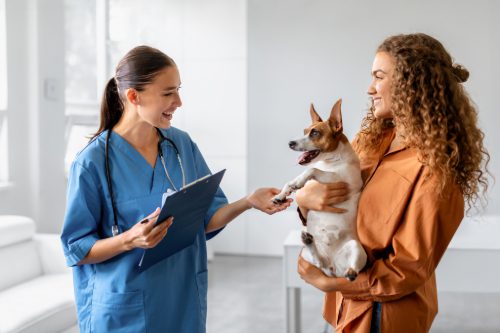
Retained Baby Teeth Removal During Spay/Neuter: Protecting Your Pet’s Oral Health
Retained Baby Teeth Removal During Spay/Neuter: Protecting Your Pet’s Oral Health Many Saratoga Springs pet owners dedicate…

Pet Dental Care: The Key to a Longer, Healthier Life
Pet Dental Care: The Key to a Longer, Healthier Life Pet dental care is one of the…

Dog Throwing Up Yellow: A Guide for Pet Owners
Dog Throwing Up Yellow: A Guide for Pet Owners If your dog is throwing up yellow foam…
About Saratoga Veterinary Hospital
Saratoga Veterinary Hospital is proud to serve as your local veterinarian of choice in WIlton, NY and the surrounding areas. Since its founding in 1973 by Dr. Sofarelli, our animal hospital’s main goal has been to strengthen the human-animal bond with exceptional veterinary medicine and client services.