
Pet Dental Care: The Key to a Longer, Healthier Life
Pet dental care is one of the most important, and most overlooked, aspects of your pet’s overall health. Good oral hygiene isn’t just about fresh breath; it’s directly connected to your pet’s heart, kidneys, and quality of life. If you’ve ever wondered whether your dog or cat really needs a dental cleaning, the short answer is yes, and probably sooner than you think. Below, we’ll walk you through everything you need to know about pet dental health, from spotting early warning signs to understanding what a professional dental cleaning involves. Keep reading to learn how a simple focus on oral care can add years to your pet’s life.
Why Is Pet Dental Care So Important?
Most pet owners are surprised to learn that dental disease is the most common health condition diagnosed in adult dogs and cats. By the time a pet reaches three years of age, the majority already show some signs of periodontal disease. Left untreated, dental problems don’t just cause mouth pain, they can trigger a cascade of serious health issues throughout the body.
The connection between oral health and systemic health is well-established. Bacteria from infected gums and teeth can enter the bloodstream and travel to vital organs, contributing to heart disease, kidney damage, and liver problems. Regular pet dental care isn’t a luxury; it’s a form of preventive medicine that protects your pet from the inside out.
What Does Pet Dental Disease Actually Look Like?
Dental disease in pets progresses in stages. It starts as something you can’t see: a thin film of bacteria called plaque that coats the teeth every day. If plaque isn’t removed, it mineralizes into tartar (also called calculus), the yellowish-brown buildup you can see on your pet’s teeth. Many pet owners mistake tartar for a cosmetic issue, but it’s much more than that.
Once plaque and tartar push below the gum line, the damage becomes serious. Bacteria penetrate the protective tissue and begin attacking the underlying bone. This leads to periodontal disease, a painful and progressive condition that can cause loose teeth, tooth loss, and in advanced cases, jaw fractures. The gum tissue and bone that support your pet’s teeth can be partially restored, but treatment is difficult, costly, and rarely returns the mouth to its original state, which is why catching dental disease early is so important.
How Do I Know If My Pet Has Dental Problems?
Pets are skilled at hiding discomfort, which makes dental problems easy to miss until they’ve become significant. Knowing the warning signs helps you act before small issues become serious ones. Wilton, NY pet owners should schedule a dental evaluation if they notice any of the following:
- Persistent bad breath (halitosis)
- Yellow or brown buildup on the teeth
- Red, swollen, or bleeding gums
- Difficulty chewing, dropping food, or chewing on one side
- Drooling more than usual or pawing at the mouth
- Decreased appetite or reluctance to eat hard food
- Loose or visibly broken teeth
It’s worth noting that many pets with significant dental disease show no obvious signs at all. This is why routine wellness exams at Saratoga Veterinary Hospital include an oral health assessment as standard practice.
What Happens During a Professional Pet Dental Cleaning?
A professional dental cleaning at a veterinary hospital is a thorough medical procedure, which is far more comprehensive than anything achievable at home. Understanding what’s involved helps pet owners appreciate its value and feel confident in the process.
Why Anesthesia Is Required for a Complete Dental Evaluation
Anesthesia allows our veterinary team at Saratoga Veterinary Hospital to perform a thorough and complete oral examination and cleaning that simply isn’t possible on an awake pet. Pets don’t understand that we’re trying to help them, and even the most well-behaved animal will naturally resist instruments going below the gum line or into painful areas. Anesthesia eliminates that stress for your pet and allows our team in Wilton, NY to:
- Safely clean all surfaces of every tooth, including below the gum line
- Probe the depth of gum pockets around each tooth to assess bone loss
- Take dental radiographs (X-rays) to evaluate the roots and bone below the gum line
- Extract painful or diseased teeth safely when needed
- Polish the tooth surfaces to slow future plaque accumulation
Anesthesia-free dental cleanings, which are sometimes offered outside of veterinary settings, only address visible tartar on the crown of the tooth. They cannot address the disease happening below the gum line, and they give pet owners a false sense of security. The American Veterinary Dental College does not recommend these procedures as a substitute for proper veterinary dental care.
The Role of Dental Radiographs (X-Rays) in Pet Oral Care
Dental radiographs are one of the most important tools in veterinary dentistry. Up to 60% of a tooth’s structure lies below the gum line, completely invisible to the naked eye. Dental X-rays allow our veterinarians near Saratoga Springs, NY to evaluate the roots, surrounding bone, and internal tooth structure to detect problems that would otherwise go undiagnosed.
Without dental radiographs, conditions like root abscesses, bone loss, tooth resorption, and retained tooth roots can’t be identified or properly treated. At Saratoga Veterinary Hospital, dental radiographs are a standard component of every dental procedure, not an optional add-on.
How Can I Support My Pet’s Dental Health at Home?
Home dental care is a valuable complement to professional cleanings. While nothing replaces a thorough veterinary dental procedure, consistent at-home habits slow the accumulation of plaque between appointments and support your pet’s overall oral health.
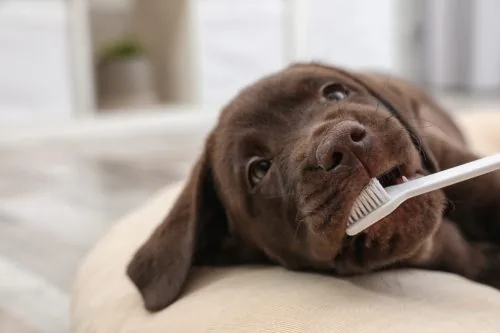
Tooth brushing remains the gold standard for pet dental care at home. Daily brushing with a pet-safe toothpaste (never human toothpaste) removes plaque before it hardens into tartar. Many pets tolerate brushing well when introduced gradually and paired with positive reinforcement.
If brushing isn’t feasible, ask our team about dental wipes, water additives, dental chews, and oral rinses that carry the Veterinary Oral Health Council (VOHC) seal of acceptance. These products have been evaluated for effectiveness and can make a meaningful difference in your pet’s oral health between professional cleanings.
How Often Does My Pet Need a Dental Cleaning?
The frequency of professional pet dental care varies by individual. Some dogs and cats are genetically predisposed to faster tartar accumulation and may need annual cleanings, while others do well with less frequent care. Small and toy dog breeds, flat-faced (brachycephalic) breeds, and cats are often at higher risk for accelerated dental disease.
Your veterinarian will evaluate your pet’s oral health at each wellness visit and recommend a cleaning schedule based on what they find. Don’t wait for obvious symptoms. Dental disease is often well advanced by the time it’s painful enough to be noticeable.
Additional Resources for Pet Dental Health
For more detailed information on pet dental care, we encourage you to explore these resources from our pet library:
Schedule Your Pet’s Dental Exam in Saratoga Springs Today
At Saratoga Veterinary Hospital, we believe that healthy teeth are the foundation of a long and happy life for your pet. Our team provides compassionate, thorough dental care for dogs and cats in the Saratoga Springs, NY area. Whether your pet is due for a routine dental evaluation or you’re seeing signs of oral disease, we’re here to help.
Call us today at (518) 587-3832 to schedule your pet’s dental exam. Your pet can’t tell you their teeth hurt, but we can help you find out before it becomes a bigger problem.
Recent Posts
TPLO Recovery Timeline: A Week-by-Week Guide to Getting Your Dog Back on All Fours
TPLO Recovery Timeline: A Week-by-Week Guide to Getting Your Dog Back on All Fours Most dogs recovering…
TPLO vs. Other CCL Surgery Options: Why a Board-Certified Veterinary Surgeon Matters
TPLO vs. Other CCL Surgery Options: Why a Board-Certified Veterinary Surgeon Matters TPLO (tibial plateau leveling osteotomy)…
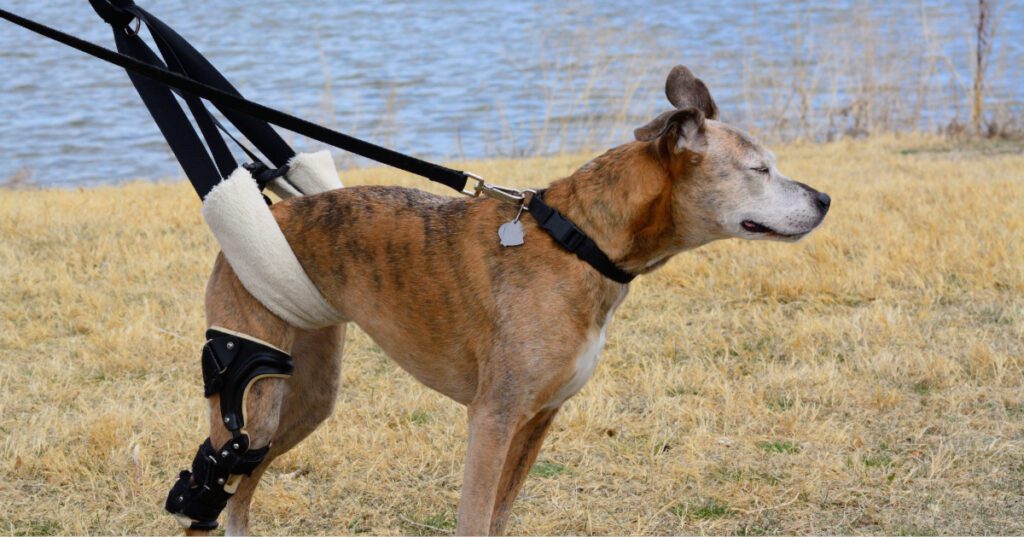
Does My Dog Need TPLO Surgery? How to Recognize a Torn CCL
Does My Dog Need TPLO Surgery? How to Recognize a Torn CCL If your dog suddenly starts…

Retained Baby Teeth Removal During Spay/Neuter: Protecting Your Pet’s Oral Health
Retained Baby Teeth Removal During Spay/Neuter: Protecting Your Pet’s Oral Health Many Saratoga Springs pet owners dedicate…

Dog Throwing Up Yellow: A Guide for Pet Owners
Dog Throwing Up Yellow: A Guide for Pet Owners If your dog is throwing up yellow foam…
About Saratoga Veterinary Hospital
Saratoga Veterinary Hospital is proud to serve as your local veterinarian of choice in WIlton, NY and the surrounding areas. Since its founding in 1973 by Dr. Sofarelli, our animal hospital’s main goal has been to strengthen the human-animal bond with exceptional veterinary medicine and client services.