
Retained Baby Teeth Removal During Spay/Neuter: Protecting Your Pet’s Oral Health
Many Saratoga Springs pet owners dedicate the first year of life to vaccines, growth milestones, and behavior training, but dental development often gets overlooked. Retained baby teeth in pets can quietly set the stage for long-term oral health problems if they remain after adult teeth erupt. Fortunately, spay and neuter appointments offer a natural opportunity to address these concerns under a single anesthetic event. Spay and neuter dentistry allows our veterinarians at Saratoga Veterinary Hospital to support healthy oral development while minimizing the need for additional procedures down the road.

Understanding Retained Baby Teeth in Pets
Retained baby teeth in dogs and cats occur when deciduous teeth fail to fall out as permanent teeth emerge. This happens most often in puppies and kittens between four and seven months of age, with small and toy breeds particularly prone, though any pet can be affected. When baby teeth remain alongside adult teeth, crowding develops within the mouth, limiting natural spacing and alignment. These tight spaces make it easier for food particles and bacteria to accumulate, setting the stage for plaque buildup, gum irritation, and early periodontal disease.
Several factors contribute to retained baby teeth in pets:
- Genetics — Some breeds are predisposed to dental crowding, particularly small and toy breeds
- Delayed root resorption — The roots of baby teeth fail to dissolve as expected when adult teeth begin to emerge
- Abnormal eruption angles — Adult teeth emerge at an angle that prevents baby teeth from loosening naturally
Regardless of the underlying cause, retained baby teeth require professional veterinary attention before lasting damage has a chance to develop.
How Retained Baby Teeth Affect Oral Health
The effects of retained baby teeth in pets extend well beyond cosmetic alignment. Crowded teeth alter how the upper and lower jaws meet, affecting chewing efficiency and day-to-day comfort. Misaligned teeth can press against the gums or the roof of the mouth, creating sources of chronic irritation that pets cannot communicate and owners rarely notice.
As bacteria thrive in the tight spaces between crowded teeth, gingivitis and deeper periodontal disease follow, often progressing silently for months before clinical signs appear. Plaque hardens into tartar faster in crowded mouths, and gum tissue struggles to stay healthy when it can’t attach properly around each tooth. Left unaddressed, retained baby teeth can:
- Accelerate wear on adult tooth surfaces
- Contribute to tooth root damage and early tooth loss
- Make future dental care significantly more complex and costly
- Increase the risk of advanced periodontal disease requiring extensive treatment
Early intervention through spay and neuter dentistry allows our veterinary team to step in during a critical developmental window before these compounding effects take hold.
Why Spay and Neuter Dentistry Makes Sense
Spay and neuter procedures typically occur during the same developmental window, usually four to seven months of age, when retained baby teeth are most likely to appear. This timing makes combining dental evaluation with surgery both practical and efficient. Dogs and cats should have all of their adult teeth by six months of age, and we typically recommend spaying and neutering at six months or older, sometimes as late as 24 months depending on breed. This means your pet’s spay or neuter appointment often coincides perfectly with the window when retained baby teeth are easiest to identify and address.
Dental radiographs may be taken to evaluate root structure and confirm which teeth require removal. This level of evaluation simply isn’t possible during a routine awake exam, which is one reason why spay and neuter dentistry is such a valuable opportunity. Addressing retained baby teeth at this stage eliminates the need for a separate anesthetic event later, saving Saratoga Springs pet owners time, reducing stress on the animal, and allowing earlier intervention during a period when the mouth is still actively developing.
One Anesthetic Event, Multiple Benefits
Combining dental care with a spay or neuter procedure offers meaningful practical advantages beyond convenience. Every anesthetic event carries some degree of risk, and limiting the number of times a pet requires general anesthesia is always in their best interest. By addressing retained baby teeth during an already-planned surgical visit, veterinary teams reduce overall anesthetic exposure while maximizing the value of a single recovery period.
Pets experience less cumulative stress, owners avoid the scheduling and cost of a separate dental procedure, and our veterinary team can act during the optimal developmental stage. For young pets already facing a significant health milestone, this integrated approach reflects the kind of proactive, whole-patient care that makes a meaningful difference in long-term outcomes.
What Happens During Retained Baby Tooth Removal
Not every baby tooth requires extraction, which is why a professional evaluation is essential before any decisions are made. Retained baby teeth that share space with erupting adult teeth, interfere with normal bite alignment, or show no sign of natural exfoliation are the primary candidates for removal. Teeth that are still mobile and showing signs of normal loosening may be left to resolve on their own.
During spay and neuter dentistry, retained baby teeth are extracted carefully to minimize trauma to surrounding gum tissue and developing adult teeth. Our veterinarians use precise technique to protect the structures adjacent to each extraction site, since the long-term health of neighboring adult teeth depends on how well that tissue heals. Once the procedure is complete, the mouth gains improved spacing almost immediately, creating the conditions adult teeth need to settle into proper alignment during the weeks that follow.
Most pets recover smoothly alongside their spay or neuter procedure. Pain management protocols support comfort during the healing period, and the recovery timeline generally doesn’t extend beyond what the surgical procedure already requires.
Supporting Healthy Adult Teeth After Removal
Once retained baby teeth are removed, adult teeth benefit from improved space and positioning almost right away. With room to align naturally, the bite develops more evenly, distributing chewing forces across the teeth as intended. Gum tissue can attach more securely around each tooth, forming the tight seal that helps keep bacteria out and supports long-term periodontal health.
Proper spacing also makes home dental care more effective. Toothbrushing and dental chews work better when teeth aren’t crowded together, and routine professional cleanings address less buildup when the mouth has been given a healthy start. Veterinary follow-up visits after surgery allow the team to monitor adult tooth eruption and confirm that alignment is progressing as expected.
Long-Term Benefits of Acting Early
Addressing retained baby teeth during the spay or neuter window isn’t just about solving an immediate problem, it’s an investment in your pet’s quality of life over the long term. Properly positioned teeth distribute chewing forces evenly, protecting tooth surfaces from premature wear. Healthier gum tissue is less vulnerable to chronic inflammation and infection, and pets who avoid early periodontal disease are less likely to require extensive dental procedures as they age.
Oral health is also closely connected to overall wellness. Chronic dental disease has been associated with systemic inflammation, and pets with painful mouths often show subtle behavioral changes that owners in Wilton, NY may not immediately recognize as pain-related. Investing in spay and neuter dentistry now helps protect not just your pet’s teeth, but their overall comfort and wellbeing for years to come.
Partnering With Your Veterinary Team at Saratoga Veterinary Hospital
At Saratoga Veterinary Hospital, dental development is evaluated as part of comprehensive surgical care. The team understands that spay and neuter appointments represent more than a reproductive milestone. They’re an opportunity to set young pets up for a lifetime of better health.
If you have questions about retained baby teeth, what to expect during your pet’s spay or neuter procedure, or how dental evaluation fits into the surgical plan, the team is happy to walk you through every step. Call Saratoga Veterinary Hospital near Saratoga Springs, NY at (518) 587-3832 to learn more and schedule your pet’s appointment.
Recent Posts
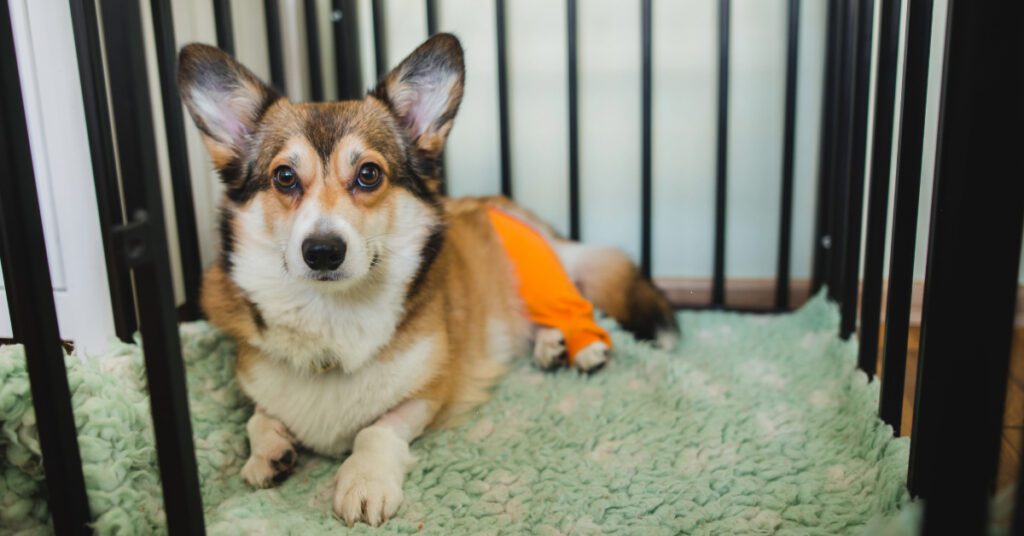
TPLO Recovery Timeline: A Week-by-Week Guide to Getting Your Dog Back on All Fours
TPLO Recovery Timeline: A Week-by-Week Guide to Getting Your Dog Back on All Fours Most dogs recovering…
TPLO vs. Other CCL Surgery Options: Why a Board-Certified Veterinary Surgeon Matters
TPLO vs. Other CCL Surgery Options: Why a Board-Certified Veterinary Surgeon Matters TPLO (tibial plateau leveling osteotomy)…
Does My Dog Need TPLO Surgery? How to Recognize a Torn CCL
Does My Dog Need TPLO Surgery? How to Recognize a Torn CCL If your dog suddenly starts…
Pet Dental Care: The Key to a Longer, Healthier Life
Pet Dental Care: The Key to a Longer, Healthier Life Pet dental care is one of the…

Dog Throwing Up Yellow: A Guide for Pet Owners
Dog Throwing Up Yellow: A Guide for Pet Owners If your dog is throwing up yellow foam…
About Saratoga Veterinary Hospital
Saratoga Veterinary Hospital is proud to serve as your local veterinarian of choice in WIlton, NY and the surrounding areas. Since its founding in 1973 by Dr. Sofarelli, our animal hospital’s main goal has been to strengthen the human-animal bond with exceptional veterinary medicine and client services.